- Inicio
Guía de embalaje
Guía de embalaje
Esta guía explica cómo embalar correctamente un objeto para su transporte, sea frágil, voluminoso o destinado a un envío entre particulares.
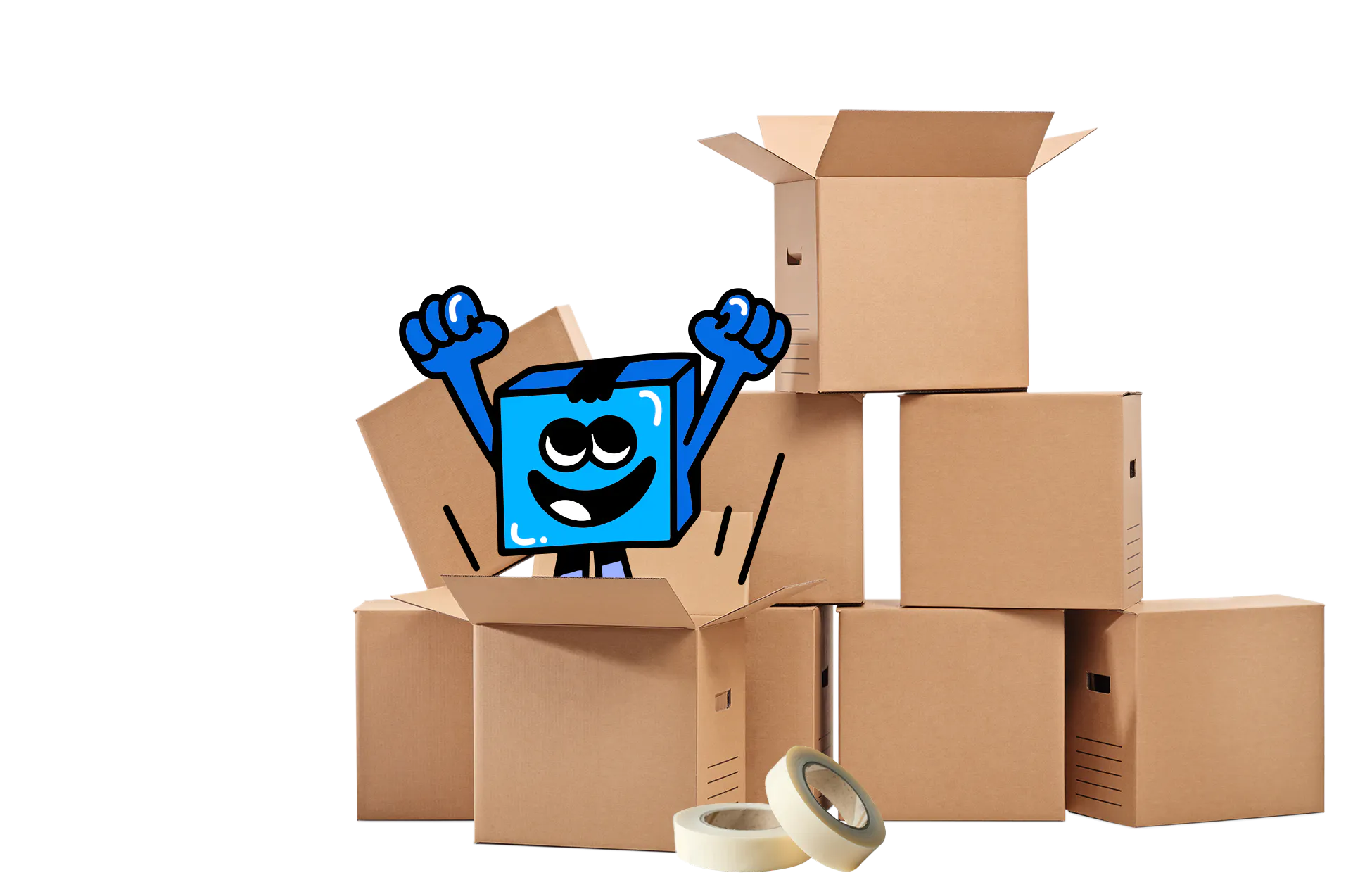
¿Por qué el embalaje es esencial?
Un objeto mal protegido puede llegar rayado, dañado o roto, incluso cuando el transportista pone todo su esmero.
Con Cocolis, tus objetos viajan con particulares o profesionales en trayectos que ya realizan. Son manipulados al cargar, durante el trayecto y al descargar: en todos esos momentos, un buen embalaje marca la diferencia.
Un espejo mal protegido puede llegar con el cristal roto, una mesa sin embalaje puede presentar arañazos en la superficie, o los tornillos desmontados pueden perderse durante el trayecto. Estas situaciones, aunque raras y evitables, prácticamente nunca ocurren cuando el objeto está correctamente embalado desde el principio.
Elegir el tipo de embalaje adecuado
No existe un solo tipo de embalaje. Si tienes que embalar un objeto concreto, puedes consultar nuestras guías detalladas: silla, mesa, sofá, colchón, electrodomésticos, televisor, bicicleta o incluso instrumentos musicales.
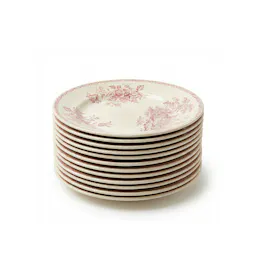
Objeto frágil
✔ protección individual de cada elemento
✔ varias capas de protección
✔ atención a los golpes
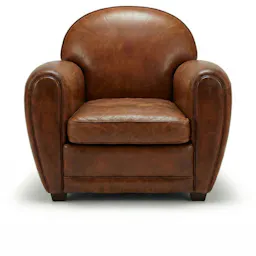
Objeto voluminoso / mueble
✔ protección de las superficies
✔ refuerzo de las esquinas
✔ sujeción de los elementos
Pequeño objeto / paquete
✔ caja adaptada al tamaño
✔ rellenar el interior
✔ nada debe moverse en el interior
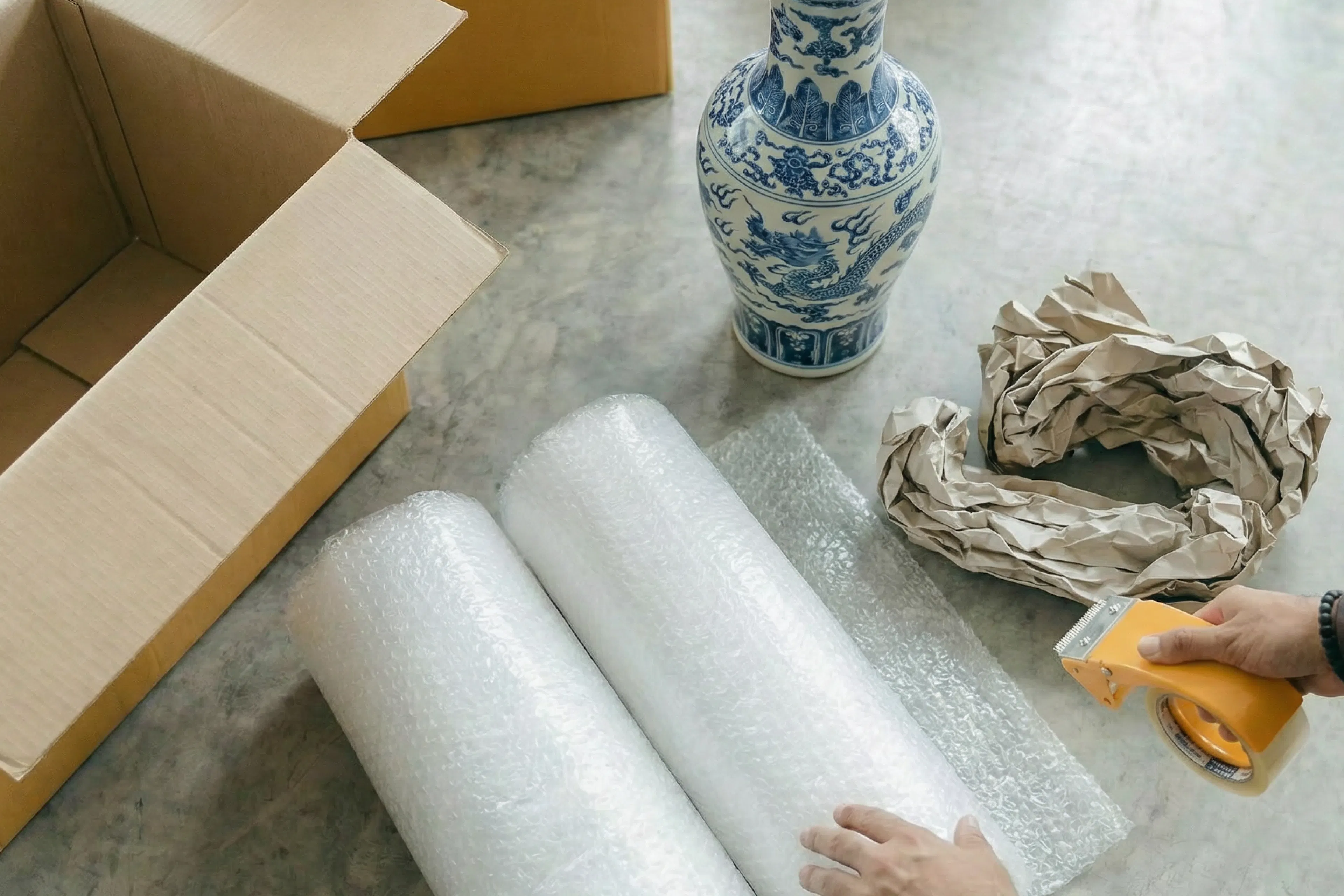
Preparar el material de embalaje
Antes de empezar a embalar, prepara tu material:
- un rollo de cinta adhesiva grande marrón
- unas tijeras o un cutter
- cartón
- papel burbuja
- material de relleno (papel, espuma, etc.)
No es necesario disponer de material profesional, pero sí proteger correctamente el objeto.
¿Cómo embalar bien un objeto para el transporte?
Un embalaje eficaz sigue siempre la misma lógica:
- desmonta todo lo que se pueda (patas, pomos de puertas, etc.),
- protege las superficies para evitar arañazos,
- refuerza los cantos y las esquinas,
- rellena para evitar movimientos,
- verifica que todo está bien sujeto.
Antes de cerrar, asegúrate de que nada se mueve.
No cierres el embalaje hasta que llegue el transportista, para que pueda verificar el estado de los objetos que va a llevar y tomar una foto con y sin el embalaje.
Adaptar el embalaje al objeto
No todos los objetos se protegen de la misma forma.
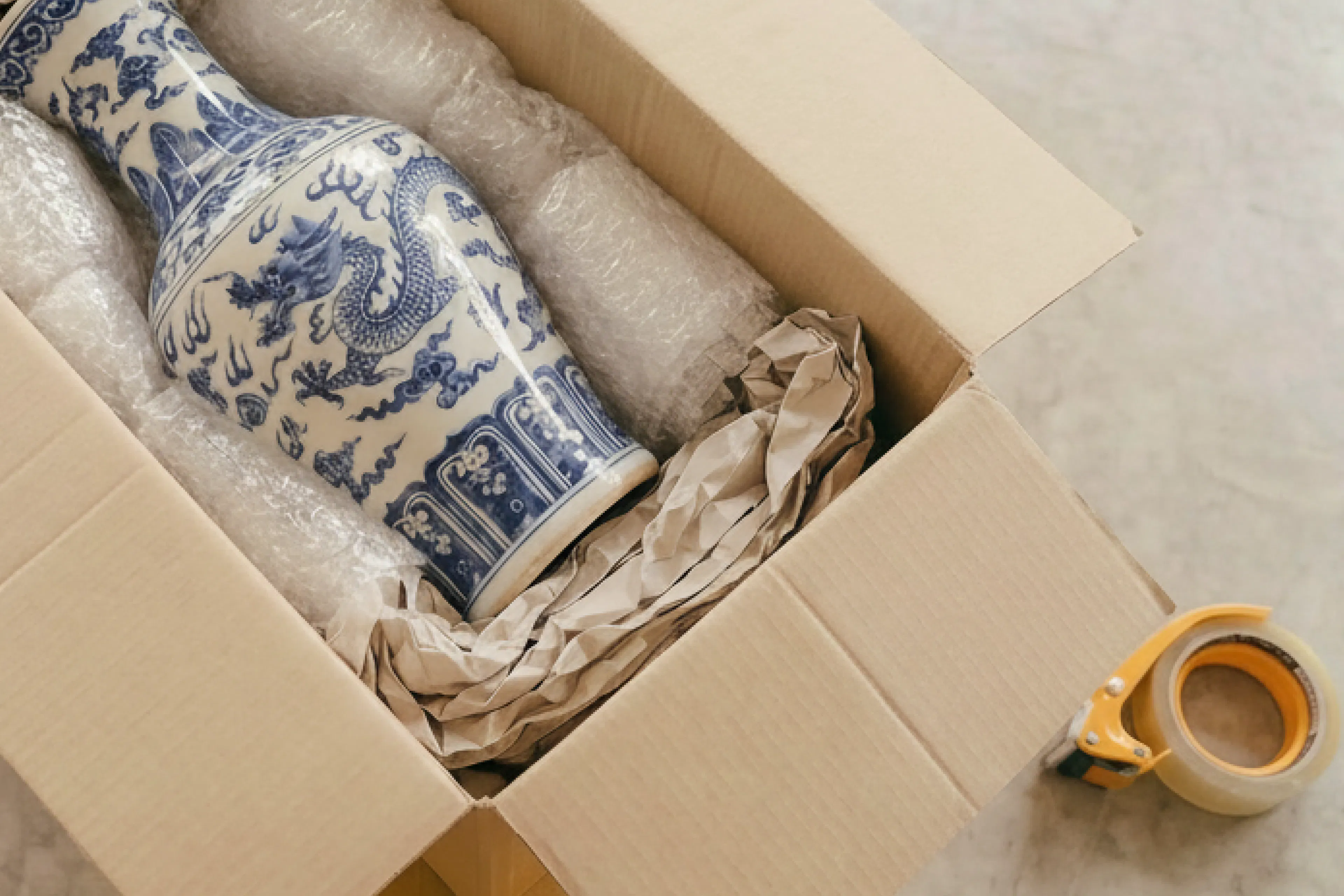
- Un objeto frágil debe embalarse individualmente y nunca estar en contacto directo con otros elementos.
- Un mueble debe protegerse en sus superficies y esquinas para evitar arañazos.
- Un electrodoméstico debe mantenerse cerrado y estabilizado durante el transporte.
- Un objeto voluminoso debe protegerse de rozaduras y estar bien fijado para evitar movimientos.
Para saber cómo embalar mejor cada tipo de objeto, es útil consultar guías especializadas. Te ofrecemos muchas, accesibles desde esta página.
Buenos hábitos que debes conocer
Algunos trucos para quedar plenamente satisfecho con tu transporte

Tornillería y piezas desmontadas
Reúne los tornillos, patas y piezas pequeñas en una bolsa y fíjala al conjunto para evitar pérdidas.

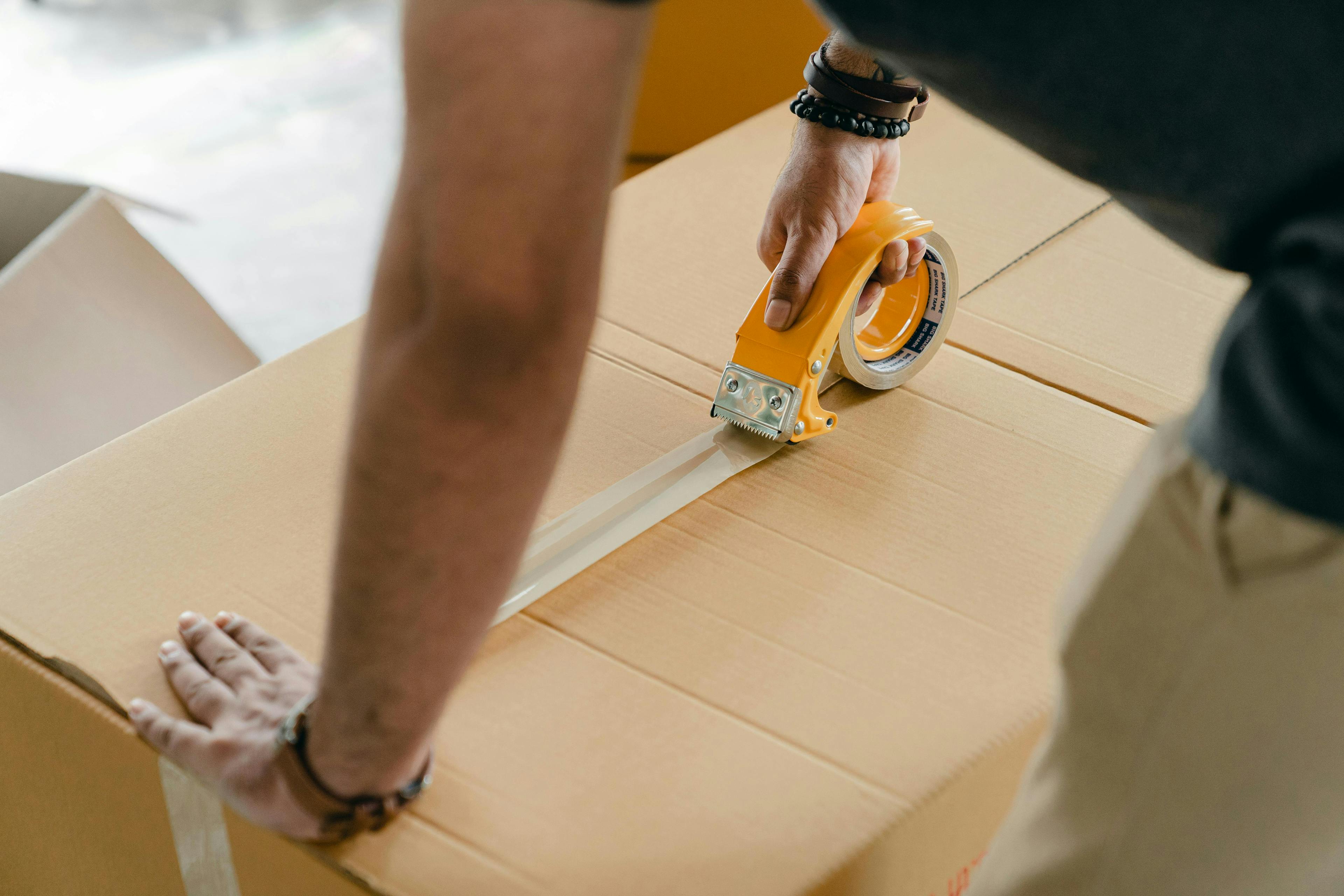
Cinta adhesiva sobre las superficies
La cinta adhesiva puede dejar marcas o dañar una superficie. Pega preferiblemente sobre el cartón y no directamente sobre el objeto.

Relleno interior
En una caja, un objeto no debe moverse. Usa papel, cartón o bolsas para rellenar los espacios.

Fotos antes del envío
Haz fotos antes y después del embalaje para guardar una prueba en caso de problema.

Embalajes reutilizados
Guarda las cajas y protecciones recibidas en compras online para embalar fácilmente sin gastos.
¿Por qué el embalaje es diferente con Cocolis?
Un transporte más sencillo y humano
Cocolis no funciona como un transportista clásico.
Aquí tu objeto no pasa de mano en mano, ni por centros de clasificación. Se transporta directamente del punto A al punto B, de una sola vez. Cuantas menos manipulaciones, más sencillo: menos riesgos.
El principio es similar al de BlaBlaCar. Particulares aprovechan un trayecto ya previsto para transportar un objeto en su maletero. En concreto, son personas como tu vecino o tu primo. Transportan unos pocos objetos, no decenas de paquetes en cadena.
Y eso lo cambia todo.
Como tu objeto no se manipula continuamente, el embalaje no necesita estar diseñado para soportar toda una cadena logística, con varias cargadas, descargas y clasificación automatizada. Solo debe proteger eficazmente el objeto durante un único trayecto.
Así nació Cocolis. Al querer transportar una cómoda de bebé comprada entre particulares, no existía ninguna solución sencilla: los transportistas clásicos ofrecían un precio elevado, poco adaptado a este tipo de compra. ¿Por qué comprar de segunda mano si al final sale más caro que uno nuevo?
La idea fue natural: si particulares pueden transportar personas para rentabilizar su trayecto, ¿por qué no transportar objetos mediante cotransporte?
Hoy este modelo hace de Cocolis una solución especialmente relevante para objetos frágiles, voluminosos o de segunda mano.
Preguntas frecuentes
El propietario del objeto debe asegurarse de que está correctamente protegido.
Si eres el destinatario y no puedes embalarlo tú mismo:
• pide al remitente que lo haga
• aclara tus expectativas (protección de superficies, esquinas, elementos frágiles)
En compras entre particulares, es habitual pedir al vendedor que embale el objeto. Una petición clara suele bastar para obtener un embalaje suficientemente protector, incluso sin material profesional.
No, no es recomendable.
El transportista debe poder ver el objeto antes de que esté completamente embalado. Así podrá verificar su estado y evitar disputas.
La buena práctica:
• preparar el embalaje de antemano,
• dejar el objeto visible a la llegada,
• cerrar el embalaje una vez validado el estado y tomadas las fotos.
Las fotos sirven como prueba en caso de problema.
Permiten:
• mostrar el estado del objeto antes del transporte,
• demostrar que estaba bien protegido,
• facilitar una indemnización si es necesario.
Sin fotos, es difícil demostrar el origen de un daño.
Haz siempre:
• una foto antes del embalaje,
• fotos después de la protección.
Un objeto frágil debe protegerse por toda su superficie, en especial sus partes más expuestas a golpes. Si el objeto tiene varias piezas, es mejor embalar cada una por separado. El papel burbuja ayuda a amortiguar los golpes, pero no siempre es suficiente: para evitar desgarros y proteger mejor el objeto, añade una capa de cartón por encima. En una caja nada debe moverse, rellena los huecos con papel arrugado, papel burbuja enrollado, cartón u otros materiales de relleno (por ejemplo, reutiliza los plásticos inflados de los paquetes de e-commerce).
Si no puedes embalarlo tú mismo:
• indícalo en tu anuncio
• avisa al transportista con antelación
Algunos cotransportistas pueden ayudar, pero no está garantizado.
En la mayoría de los casos, lo más sencillo sigue siendo pedir al remitente que prepare bien el objeto.
Sí, pero solo si se cumplen ciertas condiciones.
Para estar cubierto:
• el objeto debe estar correctamente embalado
• hay que tomar fotos
• hay que contratar un seguro Cocolis al hacer la reserva
Sin seguro o con un embalaje insuficiente, la cobertura puede ser rechazada.
Guías de embalaje por objeto
¿Buscas consejos para un objeto concreto? Consulta también nuestras guías dedicadas para embalar un sofá, una televisión, un frigorífico, una lavadora, un espejo y muchos otros objetos que se compran habitualmente entre particulares.
En caso de problema
Seguro y declaración
Incluso con un buen embalaje, puede ocurrir un incidente. Para estar cubierto, el embalaje debe ser suficientemente protector, adaptado al objeto transportado y las partes más frágiles deben estar protegidas.
Las fotos tomadas antes de la salida permiten mostrar el estado inicial del objeto y cómo se embaló.
El seguro de Cocolis debe contratarse en el momento de la reserva. Sin seguro, no se podrá ofrecer ningún reembolso en caso de daño.
¿Ya está embalado? ¡Envíalo!
Publica tu anuncio en menos de un minuto y recibe propuestas adaptadas a tu objeto, sin pasar por un transportista clásico.